
Upper Cervical Thermography
- Home
- Upper Cervical Thermography
Revolutionizing Chiropractic Diagnosis
Advanced Infrared Thermography for Upper Cervical Spine & Whole-Body Health
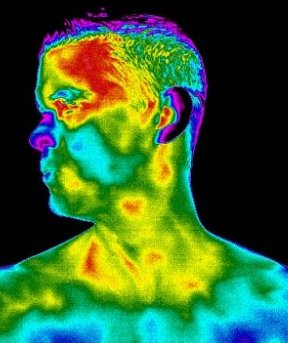
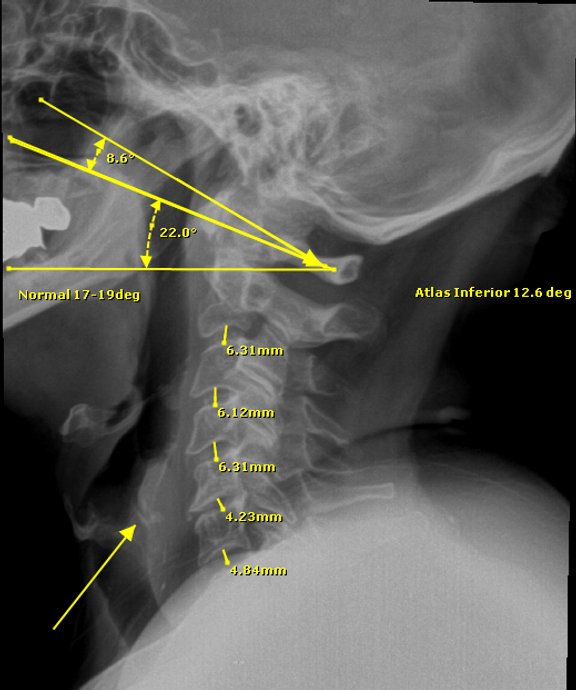
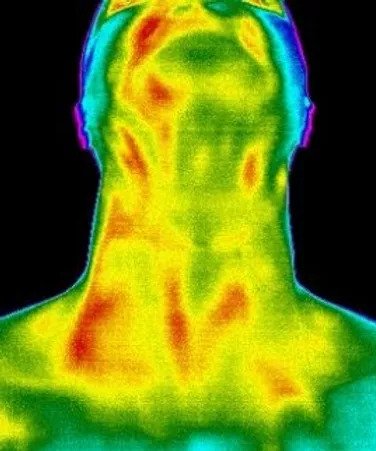
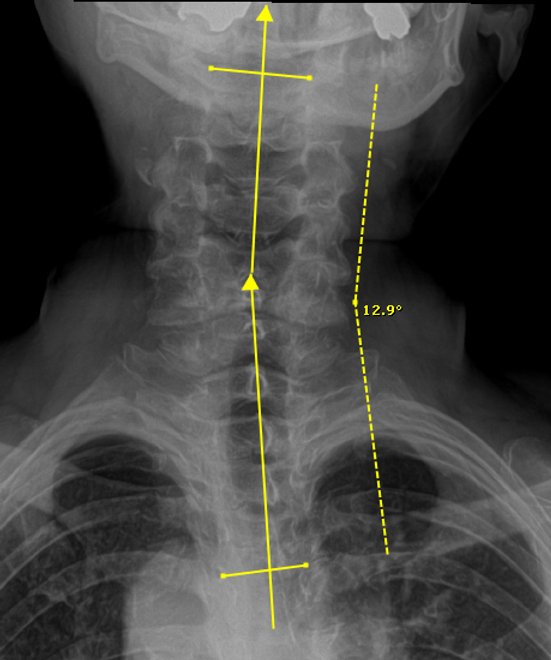
For the upper cervical chiropractor, Infrared Spectrum technology has provided our doctors with an enhanced ability to locate and identify subluxation and its systemic effects of the entire body. Not only is it an invaluable tool in the evaluation of subluxation, it can also provide objective evidence of other health conditions such as stroke, cardiovascular disease, inflammation, neuropathy, and cancer.
Beyond Paraspinal Analysis: A New Frontier in Subluxation Evaluation
What You Need to Know
Comprehensive Benefits of Infrared Thermography

Utilization
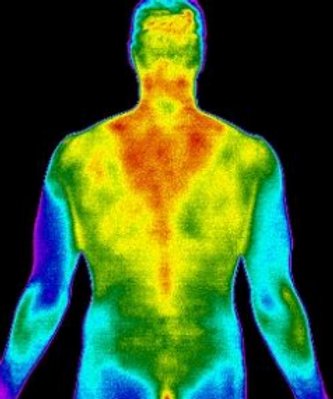
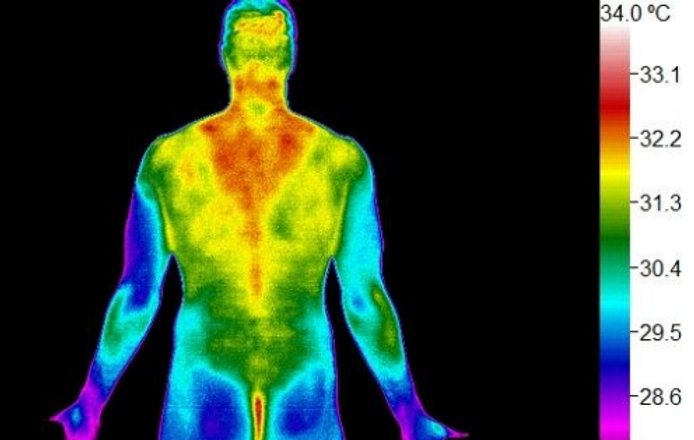
Infrared Thermography is used to measure the Infrared Heat that is emitted from the body due to nerve damage, inflammation, or cancerous growth. Benefits Include:

- Measure neurovascular function
- Identify spinal inflammation
- Locate tissue damage
- Monitor recovery and healing
- Cost Effective

Applications
- Neurological Conditions
- Spinal Suluxation
- Vertigo and Headaches
- Spinal Damage
- Pinched Nerve
- Numbness and Tingling
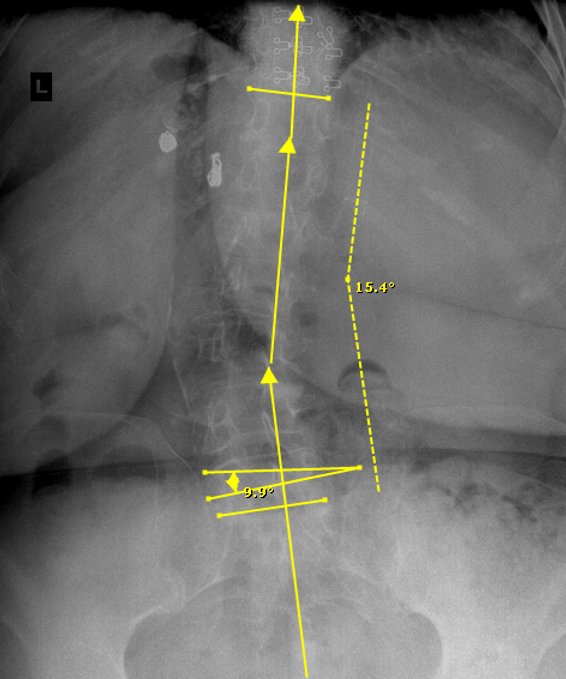
- Childhood and Adult Scoliosis
- Sciatica and Low Back Pain
- Breast and Stroke Screening

Safety
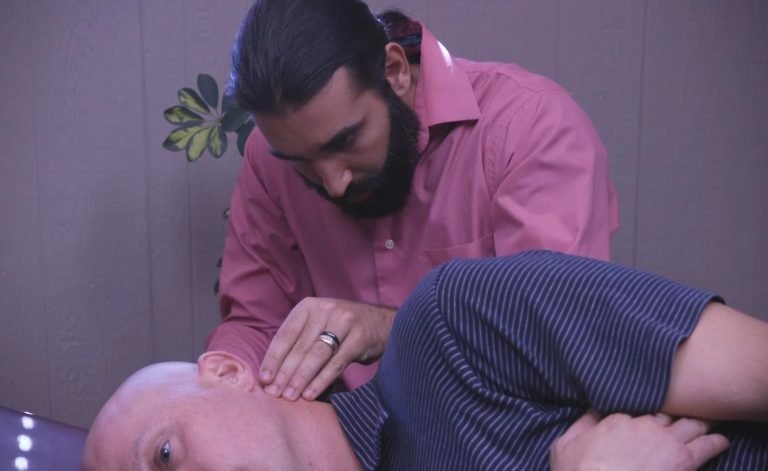
The best part about Infrared Thermography is that it does not emit anything into the body, it only detects the heat that is coming out.
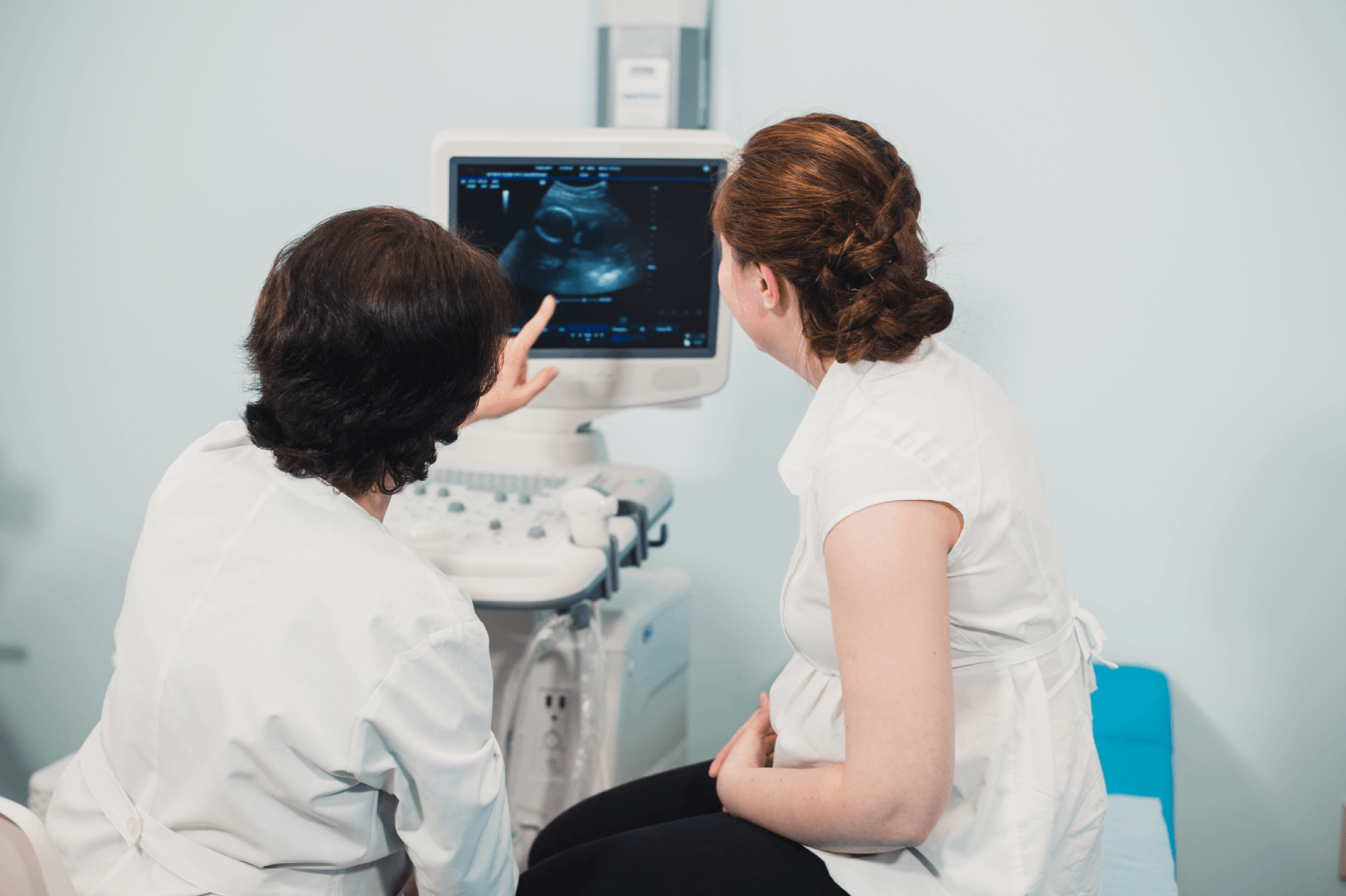
- Safe for Pregnancy
- Pediatric and Newborn Safe
- Painless and Quick
- Non-Invasive
- No Radiation
Alternatives
Guided Integration
Integrating Thermography is Simple...
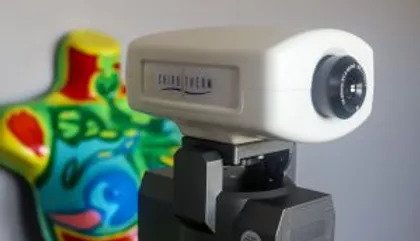
- Choose a camera for your practice. Our experts will help you decide .
- Design your Thermography Room with help from our staff
- Receive certification through PACT
- Evaluate your patient images or send in for interpretation
- Create a customized program for your patients
- Use thermography daily or to re-evaluate upon completion of program.
Focused Approach
Upper Cervical Chiropractic Applications
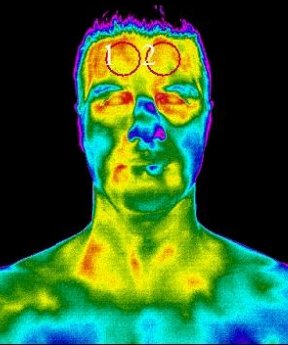
Frontal
- Cerebrovascular Screening
- Facial Nerve Evaluation
- Oral and Orbital Evaluation
- Sinus Visualization
- Nasal Perfusion
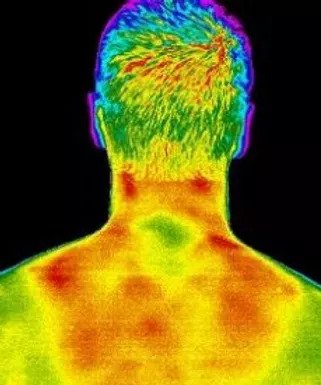
Posterior
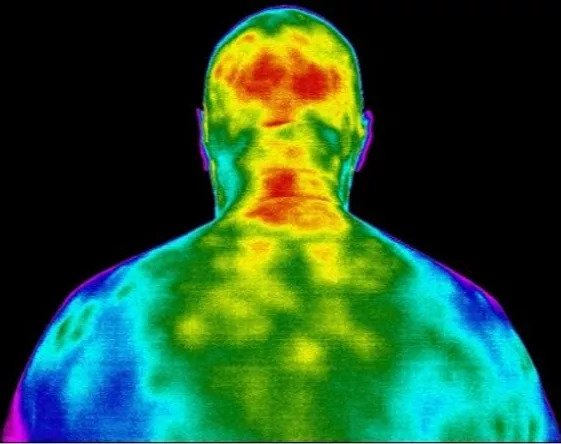
- Nerve Impingement
- Paraspinal Symmetry
- Myotomal Evaluation
- Dermatomal Evaluation
- Muscular Inflammation
Lateral
- Symmetry Evaluation
- Anterior Atlantal Tissue
- Lymphatic System
- Auditory Canal Evaluation
- Termporal Artery Function
Projecto
- Carotid Artery Evaluation
- Inferior CCJ Tissue
- Thyroid Evaluation
- Mandibular Lymph Path
- Scalene Symmetry
Full Spine
- Systemic Effect
- Visceral Involvement
- Radiculopathy
- Adaptive Stress
- Global Inflammation
Additional Applications
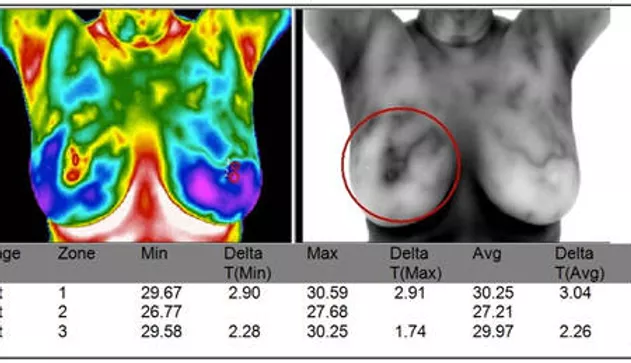
Breast Thermography
In breast thermography we are looking for heat patterns in the breast that may indicate pathology. Tumor growth is a physiological process that creates increased vascular patterns that can be detected on a modern infrared camera. Thermography can establish overall breast health and is an excellent test for assessing fibrocystic breasts and overall breast health.

Thyroiditis
Inflammation is a major component to thyroid disease. This heat can be used to screen for thyroid issues, as well as monitor healing process.

Stroke
The cerebrovascular examination measures the amount of blood supply that is reaching the forehead. Lack of heat on one side may indicate the presence of a blokage.

Nerve Impingement
Impingement upon a a nerve will alter blood flow. Dermatomes or myotomes may also be visible through decreased heat signal.
Plantar Fascitis
Tissues in the bottom of the feet are highly sensitive and can be read to determine changes to the function of the feet.